
Case Study Brazil: Ford Pinto

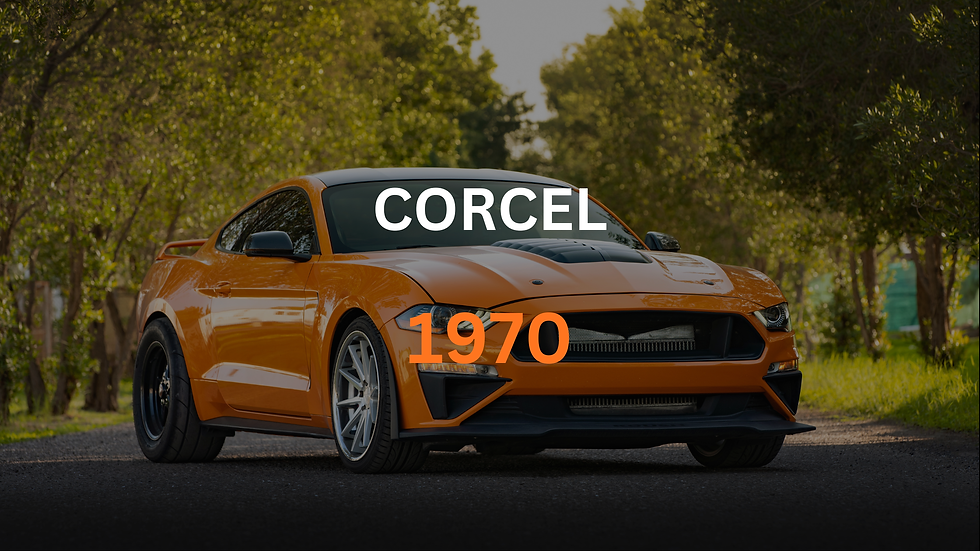
When Ford introduced the Pinto to the Brazilian market, the company discovered that the model name had an unintended and offensive meaning in Brazilian Portuguese. The name negatively affected public perception and sales, forcing Ford to rename the vehicle Corcel for the Brazilian market.
The financial impact extended beyond changing the vehicle name. Marketing materials, branding, product documentation and launch activities all required revision.
From an MC³ diagnostic perspective, the business risk was not the product itself.
An MC³ diagnostic would examine:
Were local cultural and linguistic interpretations assessed before market entry?
Did communication controls identify potential risks during the product launch process?
Were local market insights sufficiently integrated into international decision-making?
Could leadership have reduced commercial risk through earlier multilingual communication diagnostics?
The objective is not to identify a naming mistake. It is to determine whether multilingual communication controls are robust enough to prevent avoidable financial loss during international expansion.
Following diagnosis, MC³ strengthens multilingual communication controls, helping organisations reduce communication risk, protect brand value and improve international market readiness.
The next question I would ask is:
How confident is your organisation that a successful product name in one country will support, not undermine, success in another?


